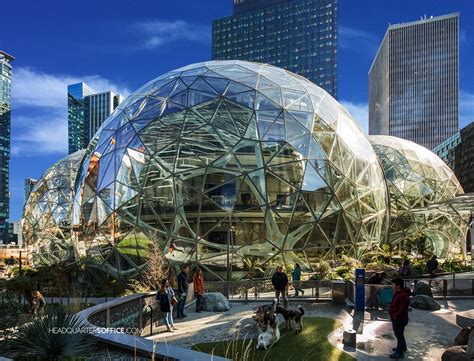
<p>Amazon has established itself as one of the most influential tech companies in the world, pioneering innovations in e-commerce, cloud computing, and artificial intelligence. Understanding the company’s origins and location can provide a deeper perspective on its global reach and operational base. The question that often arises is where the headquarters of this massive corporation is located. <strong>Amazon Headquarters is in Seattle, Washington, United States</strong>, and it serves as the central command for the company’s day-to-day operations and strategic planning. Since 1999, when Amazon moved into a more permanent and expansive office space in the city, Seattle has become synonymous with the company’s identity and growth. This location is not just a workplace but also a hub of innovation, where the digital giant continues to shape the future of retail, logistics, and technology. The headquarters is strategically positioned in downtown Seattle, a vibrant urban center that offers top-tier facilities and a thriving workforce. Beyond the physical address, the importance of understanding where Amazon is headquartered extends beyond geography. It reflects the company’s commitment to maintaining a strong presence in the city that helped launch its meteoric rise. The area is home to a variety of tech companies, creating a dynamic environment perfect for collaboration and development. Additionally, Seattle’s climate, culture, and accessibility to major transportation routes support Amazon’s operational needs and global connectivity. Whether you’re researching for academic purposes, planning a visit, or curious about Amazon’s influence in the region, grasping the location of its headquarters is essential. The city continues to evolve alongside the company, making “Where Is Amazon Headquarters” a relevant and frequently asked question.</p> <h2>Amazon Headquarters: A Historical Perspective</h2> <p>Amazon’s journey from a humble online bookstore to a global business behemoth began in 1994. It was founded in the garage of Jeff Bezos in Seattle, Washington, a city now deeply intertwined with the company’s legacy. The original location for Amazon was modest, far removed from the sprawling, state-of-the-art headquarters it calls home today. This garage in the suburban neighborhood of Bellevue provided the perfect incubation space for Bezos’ bold vision of a future where shopping transcends physical boundaries. Over time, as the demand for Amazon’s services skyrocketed and the company introduced new ventures like Amazon Prime, the need for a more centralized and professional workspace became evident. </p> <ul> <li>In 1999, Amazon made its first significant move to a new headquarters at <strong>200 Central Washington Boulevard, Seattle</strong>. This location marked the company’s expansion into the heart of the city. </li> <li>By 2016, as employees swelled into the thousands and operations became increasingly complex, the current headquarters was established at <strong>410 Terry Ave North</strong>, a prominent downtown Seattle building. </li> </ul> <p>The transition from its garage origins to its present headquarters reflects the company’s rapid growth and its role as a driving force in the tech world. Seattle’s emergence as a key player in the technology industry was also influenced by Amazon’s presence. The city saw significant investment, job opportunities, and development as Amazon’s influence spread, shaping its identity as a hub for innovation. The headquarters’ location also plays a crucial role in Amazon’s ability to recruit top talent in the region, where a highly skilled tech workforce thrives. This strategic placement allowed for better collaboration with local startups and businesses, fostering a tech-friendly ecosystem where new ideas can flourish. Moreover, the proximity of Amazon’s headquarters to Seattle’s major transportation routes and international airports has facilitated its global operations. While the building at 410 Terry Ave North may not be the most traditional office space, it symbolizes the company’s adaptability and forward-thinking mindset. In essence, the historical trajectory of <strong>Amazon Headquarters</strong> illustrates how a single location can become the catalyst for a company’s meteoric rise and an entire city’s transformation.</p> <p class="pro-note">📌 Note: Amazon’s original headquarters was not purpose-built but rather a repurposed warehouse, representing its early-stage resourcefulness and unconventional beginnings.</p> <h3>The 2016 Relocation</h3> <p>In 2016, Amazon made the strategic decision to relocate to a more modern and expansive facility at 410 Terry Ave North. This move was prompted by the need to accommodate its growing team and to enhance its operational infrastructure. The new headquarters not only offered increased floor space but also provided a more contemporary design that reflected Amazon’s commitment to innovation. The building features open workspaces, advanced technology, and a central location in downtown Seattle, making it accessible to employees and partners alike. This relocation underscored Amazon’s position as a leader in the tech industry, with <strong>Seattle</strong> serving as a critical node in its global network. The shift to this new address also highlighted the city’s evolving landscape as a major tech hotspot, alongside companies like Microsoft and Boeing. Understanding <strong>Amazon Headquarters</strong> requires recognizing the significance of its relocation in maintaining a dynamic and efficient business environment. </p> <p>In the context of Seattle’s economic development, the new headquarters further solidified the city’s status as a premier destination for tech innovation and entrepreneurship. Developers and investors flocked to the area, drawn by the company’s presence and its potential to reshape the business culture of the region. This relocation also had implications for the local real estate market, as demand for commercial space near the headquarters soared. As a result, the South Lake Union neighborhood, where the headquarters is located, transformed into one of the city’s most desirable commercial zones. Amazon’s headquarters remains a key focal point of this vibrant district, with its presence influencing the growth of local infrastructure, housing, and business opportunities. Overall, the decision to relocate <strong>Amazon Headquarters</strong> in 2016 was not merely a logistical necessity but a deliberate step in supporting the company’s ambitious goals while reinforcing Seattle’s position in the tech world.</p> <h2>Landmarks Near Amazon Headquarters in Seattle</h2> <p>For those curious about Amazon Headquarters, the surrounding area is rich with iconic Seattle landmarks that highlight the city's blend of nature, history, and modernity. These sites offer a glimpse into what makes Seattle a dynamic destination and showcase its cultural and environmental diversity. Among the most notable nearby attractions are the Amazon Spheres, EMP Museum, Waterfront Park, and the historic Pike Place Market. Together, they create a unique urban landscape that complements the tech-driven environment of the headquarters district, known as South Lake Union. </p> <table> <thead> <tr> <th>Landmark</th> <th>Description</th> <th>Distance from Amazon HQ</th> </tr> </thead> <tbody> <tr> <td><strong>Amazon Spheres</strong></td> <td>Three interconnected glass biospheres housing over 40,000 plants from around the world. The structure is a symbol of innovation and sustainability.</td> <td>Approximately 500 feet (walking distance)</td> </tr> <tr> <td><strong>EMP Museum (Experience Music Project)</strong></td> <td>Located at the corner of Denny Way and Mercer Street, this museum celebrates music and technology through interactive exhibits, artist galleries, and the Jimi Hendrix library.</td> <td>1.2 miles (15 minutes by bike or car)</td> </tr> <tr> <td><strong>Waterfront Park</strong></td> <td>A 9-acre park designed by the renowned Dutch architect Rem Koolhaas. It features stunning views of Puget Sound and includes a lagoon, playgrounds, and event spaces.</td> <td>1.5 miles (20 minutes by foot or transit)</td> </tr> <tr> <td><strong>Pike Place Market</strong></td> <td>One of the oldest continuously operated public marketplaces in the U.S. It’s a major Seattle attraction, known for its historic charm and wide range of food and retail vendors.</td> <td>Approximately 2 miles (25 minutes by transit or bike)</td> </tr> </tbody> </table> <p>The Amazon Spheres, which opened in 2018, are perhaps the most symbolic attraction of the headquarters. These three biodomes are not only functional work amenities but also serve as a public space and meeting ground. The EMP Museum, originally designed by Frank Gehry, adds a creative dimension to the area. Waterfront Park is a testament to Seattle’s commitment to urban green spaces, while Pike Place Market captures the city’s historic essence. These landmarks, in combination with the <strong>Amazon Headquarters</strong>, paint a picture of a city continually adapting and innovating. </p> <p class="pro-note">📍 Note: Many of these landmarks are located within a 2-mile radius, allowing for walking or biking excursions from the South Lake Union neighborhood to explore Seattle's culture.</p> <h3>Exploring the Urban Ecosystem of Amazon’s Neighborhood</h3> <p>South Lake Union, the area surrounding <strong>Amazon Headquarters</strong>, has become one of the most vibrant parts of Seattle. Once a mix of industrial and underdeveloped space, it has evolved into a thriving hub of innovation, wellness, and sustainability. The neighborhood is home to an array of cafes, restaurants, shopping centers, and public plazas. These elements were carefully integrated into the area’s urban planning, emphasizing Amazon’s influence on the local landscape. </p> <ul> <li><strong>Public Plazas and Transit Hubs</strong>: South Lake Union features modern plazas like Westlake Park and Amazon’s own campus amenities. The area is also well-connected by buses, light rail, and bike paths.</li> <li><strong>Shopping and Dine Spots</strong>: Nearby, the South Lake Union neighborhood offers a range of high-end grocery stores, coffee joints, and restaurants with panoramic views of the city skyline.</li> <li><strong>Community and Cultural Spaces</strong>: Seattle’s South Lake Union has art installations, green spaces, and community centers that support both employees and residents in the area.</li> </ul> <p>The transformation emphasizes Amazon’s long-term vision for the area. By investing in this district, the company not only enhanced its own work culture but also contributed to revitalizing an entire neighborhood. <strong>Where Is Amazon Headquarters</strong> is often followed by this vibrant urban backdrop, which serves as the perfect environment for fostering creativity and collaboration in the tech world.</p> <p class="pro-note">🌿 Note: The green spaces and walkability of South Lake Union make it an attractive area for both Amazon employees and Seattle locals.</p> <h2>The Work Environment at Amazon Headquarters</h2> <p>One of the key aspects often associated with <strong>Amazon Headquarters</strong> is the innovative and dynamic work environment cultivated there. Seattle’s headquarters is designed to reflect Amazon’s core values of customer obsession, innovation, and operational excellence. The building itself is equipped with state-of-the-art technology and flexible workspaces that allow for collaboration across departments and functions. In a rapidly evolving tech sector, creating spaces that encourage creativity is critical, and Amazon’s HQ is no exception. </p> <ul> <li><strong>Open Office Layout</strong>: The work environment at <strong>Amazon Headquarters</strong> features open office spaces, which are designed to foster teamwork and reduce silos.</li> <li><strong>On-Site Amenities</strong>: Employees have access to on-site cafeterias, coffee bars, fitness centers, and even nap pods, ensuring a balance between work and well-being.</li> <li><strong>Green Spaces</strong>: The neighboring <em>Amazon Spheres</em> provide a unique blend of workspace and nature, with thousands of plants and a relaxed, indoor atmosphere.</li> <li><strong>Flexible Work Policies</strong>: While the headquarters operates on a physical campus model, it also supports remote work and flexible hours, adapting to global work trends.</li> </ul> <p>These features are not just for aesthetics but serve strategic purposes. For instance, the proximity of the Spheres allows for meetings in green, open-air spaces that enhance employee morale and productivity. The integration of fitness centers supports the wellness of staff who may spend long hours working. These elements, when taken together, create a distinctive culture that differentiates Amazon from other tech companies. Understanding <strong>Where Is Amazon Headquarters</strong> also means appreciating the work environment that supports its mission and values. </p> <p class="pro-note">💡 Note: The headquarters campus also includes shuttle services for employees, ensuring convenience and reducing the need for traditional commuting methods.</p> <h3>Designing for Collaboration and Innovation</h3> <p>The work environment at <strong>Amazon Headquarters</strong> is heavily influenced by a desire to encourage collaboration between teams. The layout is designed to facilitate spontaneous conversations, brainstorming, and knowledge-sharing across departments. This approach aligns with Amazon’s leadership principle of "Invent and Simplify," where teams are encouraged to think outside the box and find innovative solutions. </p> <ul> <li><strong>Meeting Spaces</strong>: The office includes numerous meeting rooms tailored for different needs, from formal presentations to casual discussions.</li> <li><strong>Technology Integration</strong>: Smart boards, high-speed internet, and interactive tools are standard across the headquarters, ensuring a streamlined workflow.</li> <li><strong>Community and Recreational Areas</strong>: Amazon encourages a work-life balance by offering on-site recreational centers and wellness hubs where employees can unwind during breaks.</li> </ul> <p>These design elements not only support the employees but also mirror the company’s commitment to innovation and customer-centric solutions. The location of the headquarters in a highly connected urban environment further reinforces its role as a central hub for talent and business. As the company continues to expand globally, the headquarters in <em>Seattle</em> remains a pivotal point of creativity and operational excellence, making the question <strong>Where Is Amazon Headquarters</strong> more than just a search for an address—it’s an exploration of a company that shapes the modern digital world. </p> <p class="pro-note">💼 Note: The campus also emphasizes sustainability, with features like electric shuttles and solar-powered facilities, aligning with Amazon’s environmental initiatives.</p> <h2>Economic and Infrastructural Impact of Amazon Headquarters in Seattle</h2> <p>Amazon’s presence in Seattle has had a profound impact on the city’s economy, transforming it into one of the most influential tech hubs on the West Coast. The question of <strong>where Is Amazon Headquarters</strong> is closely tied to its role in fueling urban development and infrastructure expansion. Over the years, the company’s decision to remain based in the city has stimulated employment, housing, and business growth, contributing to Seattle’s emergence as a thriving commercial and tech center. </p> <p>In terms of employment, Amazon has become a major employer in Seattle, directly influencing the job market in the tech and logistics sectors. Its hiring practices have not only created thousands of positions but also spurred demand for skilled talent in the region. As a result, the broader tech industry in and around <em>Seattle</em> has benefited from increased investment in education and training programs to meet this demand. The company’s workforce has also had a ripple effect on local service industries, such as healthcare, food, and hospitality, which now cater specifically to Amazon employees. </p> <ul> <li><strong>Job Growth</strong>: Amazon’s expansion has led to the creation of tens of thousands of jobs in software, data science, engineering, and logistics. </li> <li><strong>Infrastructure Development</strong>: The company’s location has prompted significant investments in public transportation, including light rail extensions and bike-friendly pathways. </li> <li><strong>Real Estate Demand</strong>: Proximity to <strong>Amazon Headquarters</strong> has driven up commercial and residential property values in the South Lake Union area. </li> </ul> <p>Additionally, Amazon’s headquarters has influenced urban planning initiatives in Seattle. The South Lake Union district, once a mix of industrial and residential areas, has undergone extensive redevelopment. High-rise buildings, mixed-use housing, and modern commercial spaces now form the backbone of the area, driven by Amazon’s long-term commitment to urban expansion. Understanding <strong>Amazon HQ</strong> also means considering its role in shaping the city’s infrastructure, from improved transportation to innovative urban design. </p> <p class="pro-note">🏙️ Note: Seattle’s transformation around Amazon’s headquarters is a prime example of corporate influence on city planning and economic development strategies.</p> <h3>Transportation and Accessibility</h3> <p>The location of <strong>Amazon Headquarters</strong> has also had a visible impact on the city’s transportation systems and urban connectivity. As the company’s employee base grew, Seattle had to adapt to ensure that the movement of workers was seamless and efficient. This led to investments in public transit, bike lanes, and parking solutions tailored to the needs of a sprawling tech company. </p> <ul> <li><strong>Public Transportation</strong>: The city has enhanced its bus and light rail networks to accommodate the growing number of commuters to <strong>Amazon HQ</strong>. </li> <li><strong>Transportation Partnerships</strong>: Amazon also partners with mobility-focused initiatives to encourage carpooling and alternative forms of transportation. </li> <li><strong>Citywide Development</strong>: The infrastructure improvements around South Lake Union have set a precedent for other commercial districts in Seattle, leading to city-wide enhancements in road systems and public transportation. </li> </ul> <p>These developments, while primarily aimed at supporting Amazon’s workforce, have benefited the broader Seattle population as well. Improved transit options, reduced traffic congestion, and sustainable transport solutions now serve residents beyond the company’s employees. This demonstrates how the presence of a major corporation like Amazon in a city can lead to positive ripple effects on urban infrastructure and connectivity. The location of <strong>Amazon Headquarters</strong> is not just a geographical point; rather, it is an influential node in the city’s transportation and development landscape. </p> <p class="pro-note">🚌 Note: Amazon has also contributed to funding infrastructure projects aimed at reducing traffic congestion and supporting green technology in the region.</p> <h2>Summarizing the Significance of Amazon’s Location</h2> <p>To fully grasp the question of <strong>Where Is Amazon Headquarters</strong>, one must consider the broader implications of its location in Seattle. The city’s decision to attract and retain such a major tech company has had far-reaching consequences. Seattle provides an ideal mix of urban sophistication and natural beauty, allowing for a work-life balance that is crucial for a tech-centric environment. With its proximity to major highways, airports, and public transportation options, the headquarters serves as a central hub connecting Amazon to both the regional and national markets. </p> <p>The significance of choosing Seattle also goes beyond convenience. The city has a long-standing reputation for supporting innovative businesses, thanks to its strong educational institutions, research facilities, and a well-established talent pool in the technology and engineering fields. This environment is vital for Amazon’s continuous growth, enabling its teams to push technological advancements forward. The question of <strong>Amazon Headquarters</strong> is thus not just about knowing the address but also recognizing the strategic advantages that this location provides. </p> <p><strong>Seattle</strong> also benefits from its relatively compact urban layout compared to other major tech hubs like Silicon Valley. This makes it easier for Amazon to implement walkable work environments and to build its campus-centric model. The company has leveraged these geographic and infrastructural advantages to create an ecosystem that supports innovation and operational excellence. Whether it’s the availability of skilled labor, favorable business policies, or urban development incentives, each factor plays into why Amazon continues to thrive in <em>Seattle</em>, making the question of <strong>Where Is Amazon Headquarters</strong> an indicator of the city’s evolving role in the global tech landscape. </p> <p class="pro-note">🌆 Note: The urban development around Amazon’s Seattle HQ demonstrates how tech companies can help shape the future of smart, sustainable city planning.</p> <h2>An Evolving Workforce and Company Culture</h2> <p>The culture at <strong>Amazon Headquarters</strong> is a key aspect that reflects the company’s philosophy and operational strategies. As one of the largest employers in the tech industry, Amazon has played a significant role in defining modern corporate culture. The headquarters in <em>Seattle</em> has become a microcosm of the broader Amazon experience, with a focus on efficiency, scalability, and innovation. </p> <ul> <li><strong>Performance-Driven Work Ethic</strong>: Amazon emphasizes continuous improvement and high output. This culture is ingrained into everyday operations at the headquarters, where teams adhere to data-driven goals and productivity metrics. </li> <li><strong>Collaborative and Dynamic Environment</strong>: Despite its size, the headquarters is structured to promote cross-functional collaboration. Employees are encouraged to work in teams and innovate within defined parameters. </li> <li><strong>Inclusive and Diverse Workforce</strong>: <strong>Amazon Headquarters</strong> is home to a diverse staff that includes people from various countries and backgrounds. This variety fuels creativity and global thinking. </li> <li><strong>Employee Development and Training</strong>: Ongoing learning and career progression are priorities for Amazon, and the headquarters features training centers, mentorship programs, and professional development opportunities. </li> </ul> <p>Moreover, the company has continually refined its HR strategies and work policies to maintain a competitive edge in the talent market. Initiatives like the Career Choice program and employee wellness benefits underscore Amazon’s commitment to supporting its workforce beyond just job creation. The location of the headquarters in Seattle also plays a role in reinforcing these policies through the availability of nearby educational and training facilities. Understanding <strong>Where Is Amazon Headquarters</strong> also means understanding the company culture that has made it a dominant force in the technology and e-commerce sectors. </p> <p class="pro-note">📚 Note: Amazon’s investment in employee education and upskilling is a core element of its corporate philosophy, making the headquarters an essential part of its talent development strategy.</p> <h3>Adapting to Global Work Trends</h3> <p>In response to the evolving global work landscape, <strong>Amazon Headquarters</strong> has adapted policies and spaces to support a more flexible workforce. The ongoing push for remote work, which accelerated during the pandemic, has been integrated into the company’s long-term planning. While the headquarters remained a central location, the company now supports hybrid work models, allowing employees to work from home or other Amazon facilities globally. This shift emphasizes the growing trend of decentralized work environments and reinforces the idea that <strong>Amazons headquarters is more than just a physical location</strong>—it is also a symbolic starting point of the company’s global operations. </p> <ul> <li><strong>Remote Support</strong>: Amazon has invested in systems that support remote and distributed work models, ensuring that employees can contribute effectively regardless of location. </li> <li><strong>Flexible Work Policies</strong>: The headquarters continues to evolve into a more agile workspace, with open plans that accommodate shifting team structures and work needs. </li> <li><strong>Innovation in Work Space</strong>: The integration of smart office systems, digital tools, and mobile collaboration platforms within <strong>Amazon’s headquarters</strong> reflects the company’s forward-thinking approach to modern work environments. </li> <li><strong>Community and Remote Integration</strong>: Amazon’s shift toward a hybrid model allows for closer connections between the <em>Seattle headquarters</em> and global satellite offices, enhancing cross-border collaboration. </li> </ul> <p>Such adaptability demonstrates how <strong>Amazons headquarters</strong> remains at the forefront of redefining what a modern workplace can be. Employees at the Seattle-based HQ can now access resources and work arrangements that were once exclusive to remote teams. The evolving nature of the headquarters also shows how physical locations in the digital age continue to play a critical role in business leadership and innovation. This reimagining of work spaces and models highlights the company’s strategic positioning and reinforces why <strong>Where Is Amazon Headquarters</strong> is an important question for understanding its current and future direction. </p> <p class="pro-note">🔄 Note: The integration of hybrid work models at Amazon’s Seattle HQ reflects broader corporate trends in the post-pandemic era to prioritize employee autonomy and productivity.</p> <h3>The Future of Amazon’s Seattle Presence</h3> <p>Looking ahead, the continued presence and evolution of <strong>Amazons headquarters</strong> in Seattle will remain a topic of interest, especially as companies reevaluate their geographical strategies in a post-pandemic world. The question <strong>Where Is Amazon Headquarters</strong> will likely persist as the company grows and introduces new work models. For now, the headquarters remains a vibrant center of activity and a symbol of Amazon’s early success and ongoing global influence. </p> <p class="pro-note">🚀 Note: Amazon’s future development in Seattle may include further integration of AI and automation into its workplace and urban environment strategies.</p> <p>As a leader in the digital economy, Amazon’s location in a major city with diverse talent and infrastructure resources is a strategic advantage. The headquarters at 410 Terry Ave North continues to serve as an anchor for the company, supporting its ambitions in retail, cloud computing, and artificial intelligence. For anyone exploring the impact of tech corporations on their host cities or considering a visit to Seattle, understanding the significance of <strong>Amazon Headquarters</strong> is crucial. This location is not simply a place where Amazon operates—it’s a dynamic center of innovation that shapes the way the modern world works. </p> Main Keyword: Where Is Amazon Headquarters Most Searched Keywords: Amazon HQ location, Amazon Seattle address, Amazon Headquarters Seattle, Where is Amazon located Washington, Amazon HQ Seattle building info, Amazon Seattle headquarters map, Seattle Amazon headquarters location, Amazon headquarters Seattle history, Amazon headquarters Seattle jobs, Amazon headquarters Seattle neighborhood Related Keywords: Amazon Spheres, South Lake Union development, Seattle tech industry growth, Amazon work culture, Amazon HQ architecture, Amazon headquarters impact on Seattle, Amazon Seattle employee benefits, Amazon remote work policies, Amazon’s role in urban development, Amazon transportation initiatives, Amazon’s hiring strategy in Seattle, Amazon Seattle corporate culture, Amazon HQ nearby attractions, Amazon Seattle campus layout, Amazon Seattle infrastructure projects, Amazon real estate expansion in WA, Amazon’s influence on Seattle economy, Amazon Seattle urban planning, Amazon Seattle public transit updates, Amazon Headquarters Seattle events Where Is Amazon Headquarters
 By Ashley
Where Is Amazon Headquarters
Written by
Ashley